Nepal is a country blessed with abundant natural resources—water, forests, and fertile land that promise prosperity and progress. Yet, paradoxically, these same resources have often become flashpoints of tension. Conflicts over water, forests, and land have pitted neighbor against neighbor, village against village—sometimes erupting into violence and tearing apart the social fabric that holds communities together.
With the introduction of federalism and the redrawing of provincial and municipal boundaries, many old wounds have reopened, intensifying tensions and, in some cases, turning conflicts into matters of life and death.
When such conflicts reach the courtroom, the law may deliver a verdict, but it rarely heals broken relationships. A case is closed, yet mistrust lingers. Development stalls. Social harmony suffers.
In this space, a quiet yet powerful practice has been taking root across Nepal. It does not rely on judges or lawyers, nor does it impose decisions from above. Instead, it transforms conflict into conversation and confrontation into connection. It is called the ‘Spider Process’.
More Than a Method; A Mindset
The Spider is not just a name; it is a way of seeing conflict. It is a belief that solutions already exist within the community if the right process is followed. The Spider Group is formed by individuals chosen by the conflicting parties themselves. They are not judges. They do not pass verdicts. They do not take sides.
 Source: www.terminix.com/spiders/webs/
Their role is to listen, to connect, and to guide dialogue with fairness, transparency, and patience.
To understand this process, one must first look at a spider’s web.
A spider’s web is delicate yet strong, flexible yet resilient. Each thread is independent, but together they create a structure that can withstand strong winds. The silk stretches, contracts, and adapts—never snapping under pressure. Every circle and strand are connected, forming a balanced whole.
The Spider group works in much the same way.
Weaving Dialogue Across Divides
Members of the Spider group come from all involved parties of a conflict, yet they remain neutral. They do not advocate for one party over another. Instead, they focus on building bridges, connecting perspectives, emotions, and interests that once stood in opposition.
A striking example comes from Kailali, where a long-standing land conflict between Jagadambike Bhagawati Secondary School and the freed Kamaiya community threatened to drag on for decades if taken to court. Through the Spider Process, however, the conflict was transformed not through litigation, but through dialogue.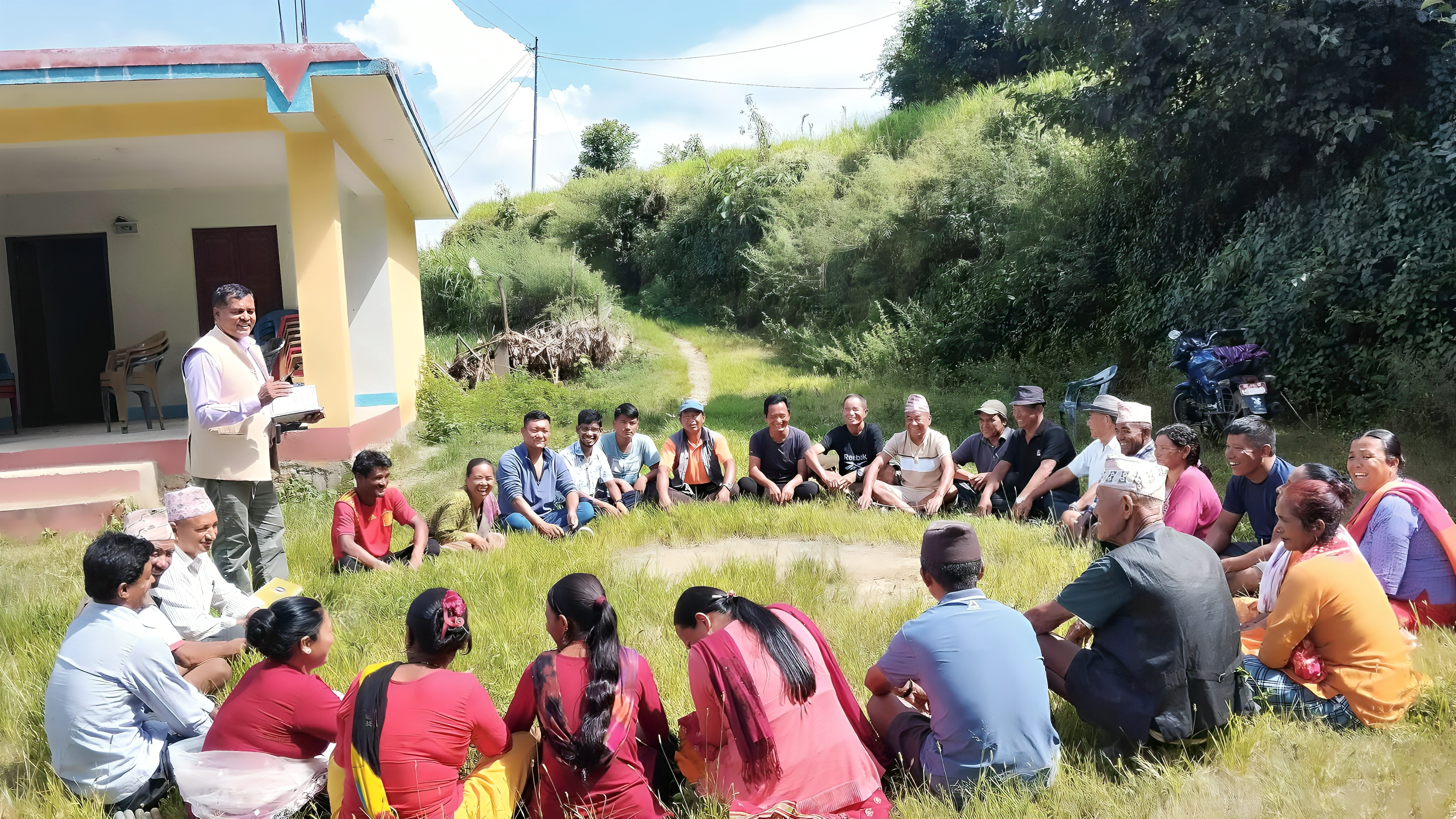
Dilraj Gautam, a legal professional and community representative involved in the process, recalls his initial skepticism.
“I believed such conflicts could only be resolved through the courts,” he admits. “I was even ready to fight the case myself.”
But participation in the Spider Group changed his perspective.
“A court declares a winner and a loser,” he says. “This process creates only winners. It heals relationships.”
Today, where suspicion once ruled, conversation flows. Where confrontation once dominated, understanding has taken root.
Beyond Right and Wrong
The Spider Process goes far beyond deciding who is right or wrong. Instead, it asks deeper questions: Who, What, Why, When, Where and How?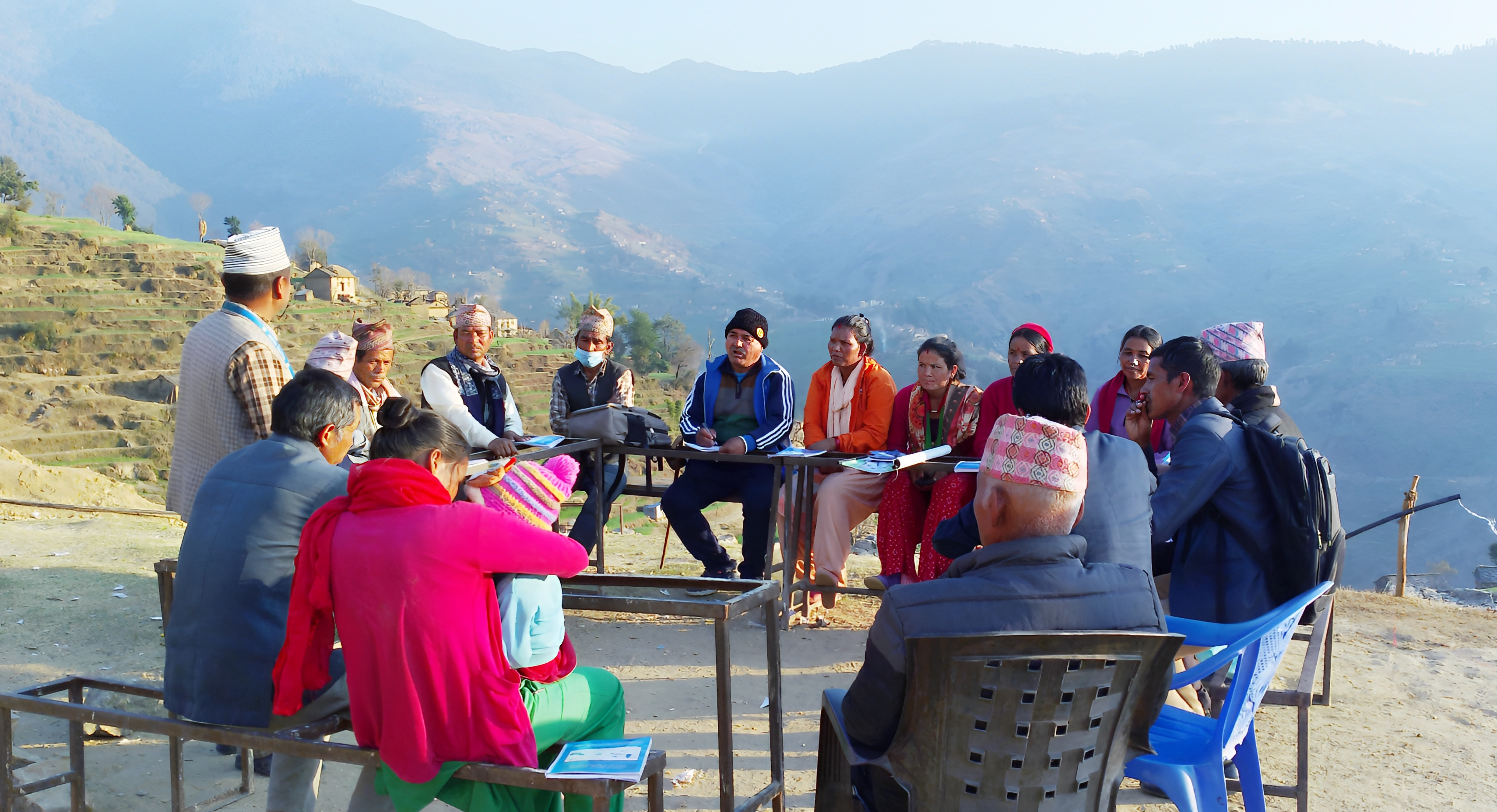
Its greatest strength lies in its transparency and impartiality, which have earned it widespread public trust. Rajendra Pokharel, Mayor of Kankai Municipality in Jhapa, puts it simply:
“The Spider method has healed hearts that remained broken for over fifty years. This is something courts cannot do. If adopted nationwide, it could redefine our justice system.”
The process empowers communities to reach their own decisions. It does not replace the formal court system, nor does it force compromise. It restores relationships and in doing so, prevents conflicts from resurfacing.
Inclusion at the Heart of the Web
For Kanchi Lama, Vice Chairperson of Sunkoshi Rural Municipality, the Spider Process taught an important lesson:
“We used to look for quick solutions. Spider showed us that sustainable peace requires repeated dialogue and deep listening.”
All meetings in the spider process are designed to be inclusive and systematic. No voice is ignored. Ambika Adhikari from Sarlahi likens the process to churning yogurt.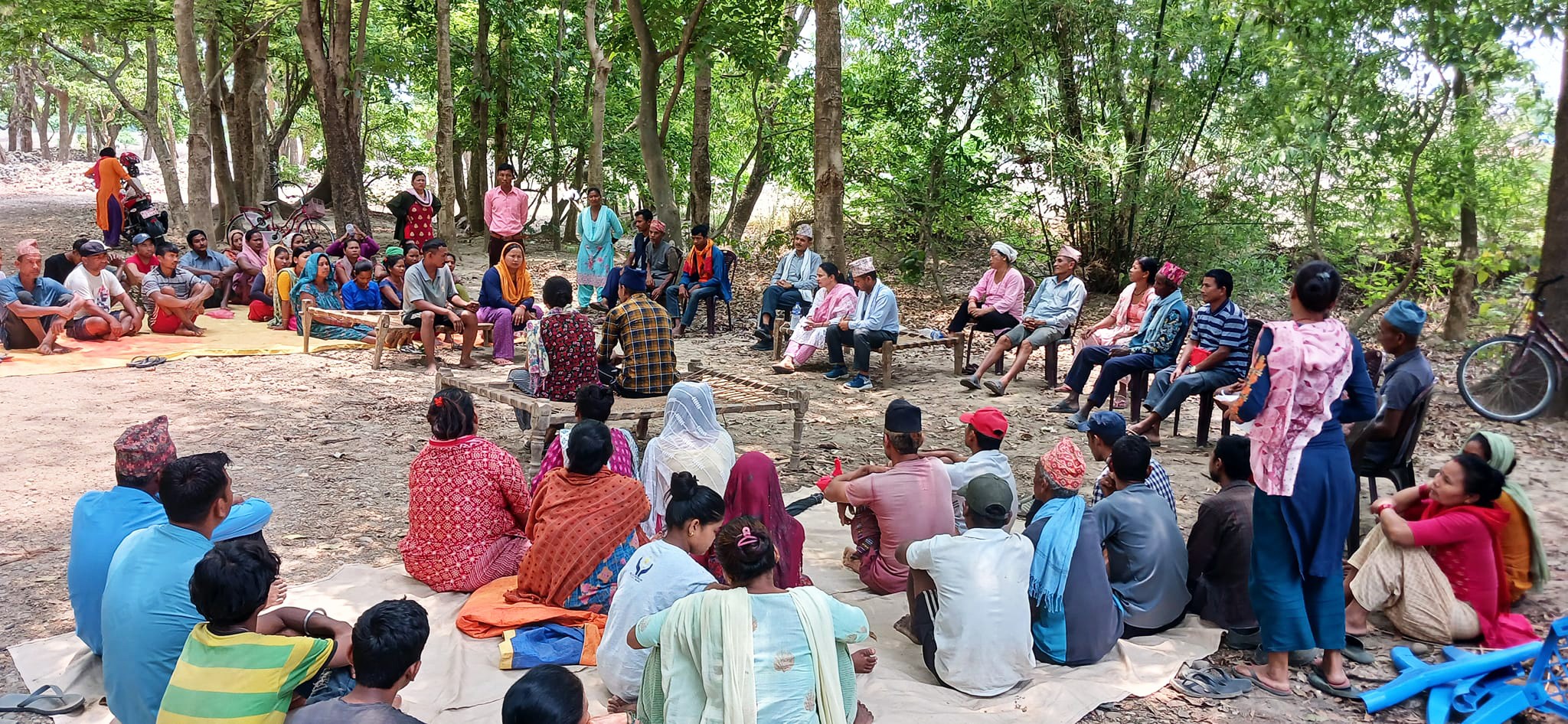
“Just as butter emerges only after churning, solutions emerge when all perspectives are patiently heard.”
Even in the seating arrangements, the traditional Khat (cot) method is symbolic. It creates an equal space where everyone feels empowered to speak and be heard.
A Movement, Not a Moment
This approach did not emerge by chance. For over a decade, the Natural Resource Conflict Transformation Center–Nepal (NRCTC-N) has been institutionalizing the Spider Process in support of The McConnell Foundation. Its philosophy is clear: Conflict transformation is not about quick settlements; it is about reshaping relationships and changing social culture.
Recognized under Nepal’s Mediation Act and working closely with the Government of Nepal, NRCTC-N is planting seeds of peace across villages guided by its slogan “Better Relationships for Sustainable Peace.”
Over the past 12 years, Spiders across 21 districts from Kanchanpur in the west to Ilam in the east have transformed over 450 complex, multi-stakeholder conflicts related to land, water, and forests. These are not just transformed cases; they are restored communities.
Redefining Justice
Justice is not merely about winning a case. It is about preserving relationships, trust, preventing future conflict, and nurturing understanding.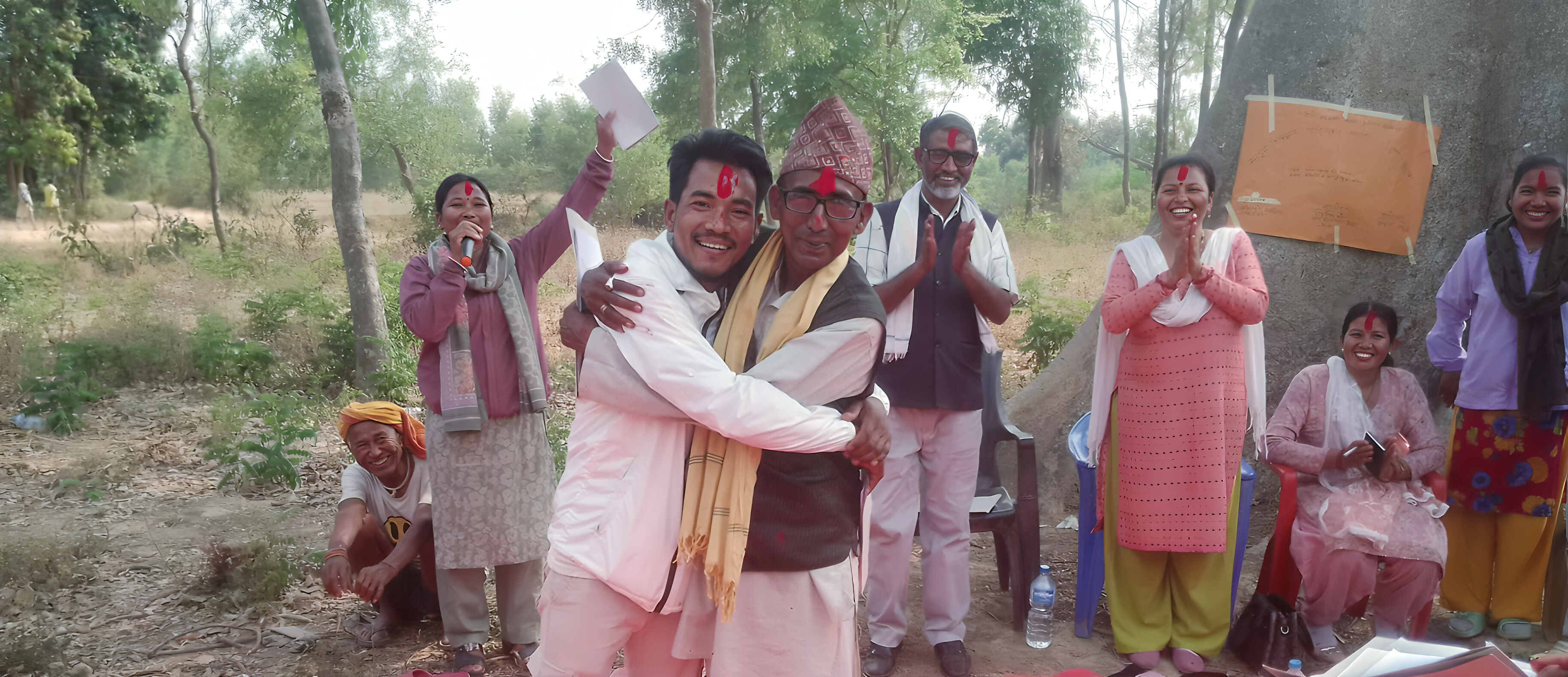
The Spider process embodies all of this. It empowers communities, builds leadership, and strengthens public trust. While a conflict-free society may be impossible, this approach proves that every conflict can become a doorway to renewal if handled with the right process.
Today, the Spider is no longer just a method. It is a living, breathing web of justice woven by communities themselves.
It reminds us that justice does not belong only within courtroom walls. It can also emerge from dialogue under a village tree, from patience instead of pressure, and from collective wisdom rather than imposed verdicts.
In quietly weaving this web of social harmony, the Spider Process is laying the foundation for a more peaceful, just, and prosperous Nepal.
(Writer Bhatt is working as Senior Program Officer in NRCTC-Nepal)