The Paleko Rumti Community Forest, located in Indrawati Rural Municipality of Sindhupalchok District, was more than just a symbol of greenery. Spanning 68 hectares, this Sal Forest (Shorea Robusta) was deeply intertwined with the livelihoods of 278 households (Users Group). Beyond providing firewood, timber, and fodder, the forest embodied the community's trust and spirit of cooperation. Yet over time, this very forest became a focal point of fear, mistrust, and conflict within the village.
After 2012 (2069 BS), the regular assemblies and meetings of the forest user group nearly ceased. Leadership became stagnant, and rules and bylaws remained only on paper. As collective responsibility weakened, a heavy silence was inadvertently building the foundation for a massive explosion—a crisis no one had anticipated. This forest has now become a prime example of how a natural resource can become a catalyst for social conflict and, through proper facilitation, transform back into a bond of unity.
The Fire Sparked by Timber
In 2021 (2078 BS), some community members obtained permission from the Community Forestry Users Group (CFUG) to harvest timber for house construction. At first, it seemed like a routine process. But gradually, the timber-cutting spiraled out of control. The felled trees, instead of being used for building homes, began to be diverted for commercial purposes.
One day, vehicles carrying timber for trade were intercepted before reaching their destination. This incident shattered the peace of the village. Clashes broke out between those transporting the wood and those trying to stop them, leaving several people seriously injured.
A wave of terror swept through the village. In the aftermath, the social fabric began to unravel as neighbors looked upon one another with deep-seated suspicion and doubt.
A Forest of Distrust
The members who had not participated in the logging were outraged. Searches were conducted at the homes of those involved, and all timber was confiscated and centralized. Fines were imposed on some. Meanwhile, preparations were made to register cases at the Divisional Forest Office in Chautara. A shadow of fear spread across the village. The management of the collected timber became even more controversial. No one trusted anyone anymore.
After that, the forest users' committee became completely inactive. The forest was left unattended. Some people used timber as they pleased, while others waited in the name of rules. The shared resource gradually fell victim to individual interests.
The Wild Boar Incident: A Turning Point
In September 2024 (Ashoj 2081 BS), a seemingly minor incident opened the door to a significant transformation. It began when a farmer approached the Ward Office seeking a recommendation for compensation after wild boars destroyed his crops. To process the claim, a formal recommendation from the Community Forest User Group was required.
Ward Chairman Baburam Lama began looking into the status of the forest group to facilitate the request. As he delved deeper, he uncovered a hidden, deep-seated crisis. The executive committee was inactive, the financial situation was chaotic, and a whirlwind of dissatisfaction and anger was brewing within the community.
Initial attempts were made to bring the consumers and the committee together for a meeting, but no consensus could be reached. Repeated attempts were made to resolve the issues but all attempts were futile. Finally, under the Chairman's initiative and through the Judicial Committee, a request for mediation was sent to the Natural Resource Conflict Transformation Center-Nepal (NRCTC-N). This marked the beginning of the "transformation journey" for the Paleko Rumti Community Forest.
Dialogue and the Magic of the ‘Spider Group’
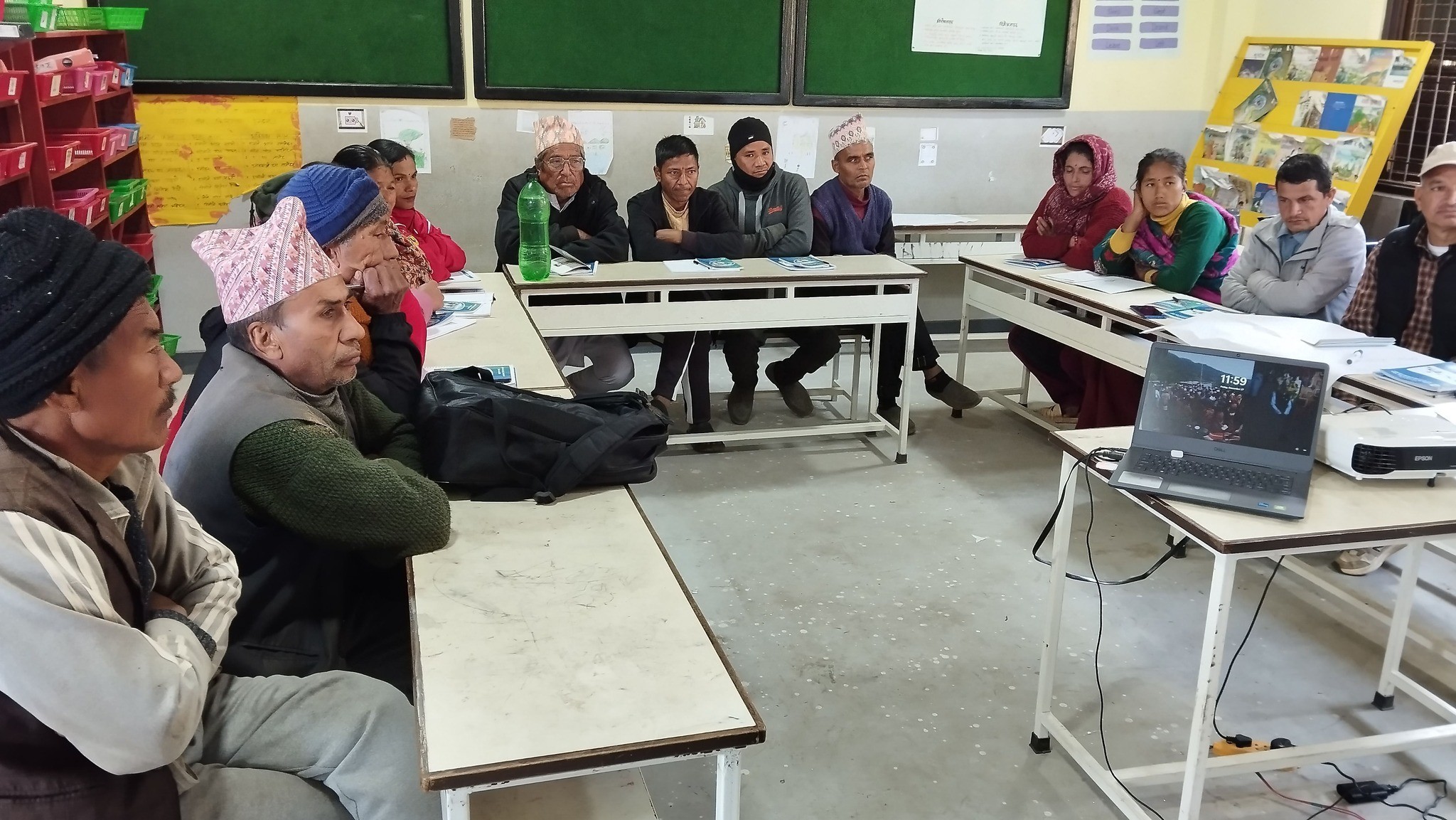
Back in 2015 (2072 BS), attempts were made to settle the conflict, but they fell short. Instead of reaching a conclusion, the discussions devolved into a breeding ground for accusations and counter-accusations, only deeper reopening the old wounds. This time, however, the Center adopted a scientific approach. Following the "Spider Web" concept, the transformation process began on November 18, 2024 (Mangsir 3, 2081 BS), starting with preparation meeting among all stakeholders.
A team of fourteen spider group members, selected from the conflict associate community, took the lead in facilitation. After a long journey of dialogue, training, and deliberation, the conflict was finally transformed on February 15, 2025 (Fagun 4, 2081 BS), through the passing of an eight-point agreement.
With the active participation of the community, the process created a sense of "win-win" for everyone involved. Broken hearts were mended. Seeds of hope were sown over the soil of despair. Everyone embraced the spirit of "Our society, our forest."
Krishna Prasad Lamsal, an active member of the Spider Group, shared his experience:
"We have taken many trainings, but this conflict transformation skill was truly extraordinary. It didn’t just settle a conflict; it brought positivity to our very behavior. I used to be afraid of conflict, but now I realize that development is often hidden within it. The key is the process—knowing how to find that opportunity. We used to think in terms of winning and losing. Here, nobody lost; everyone won. This has been a brand-new realization in my life."
A New Dawn: The Changing Face of Progress
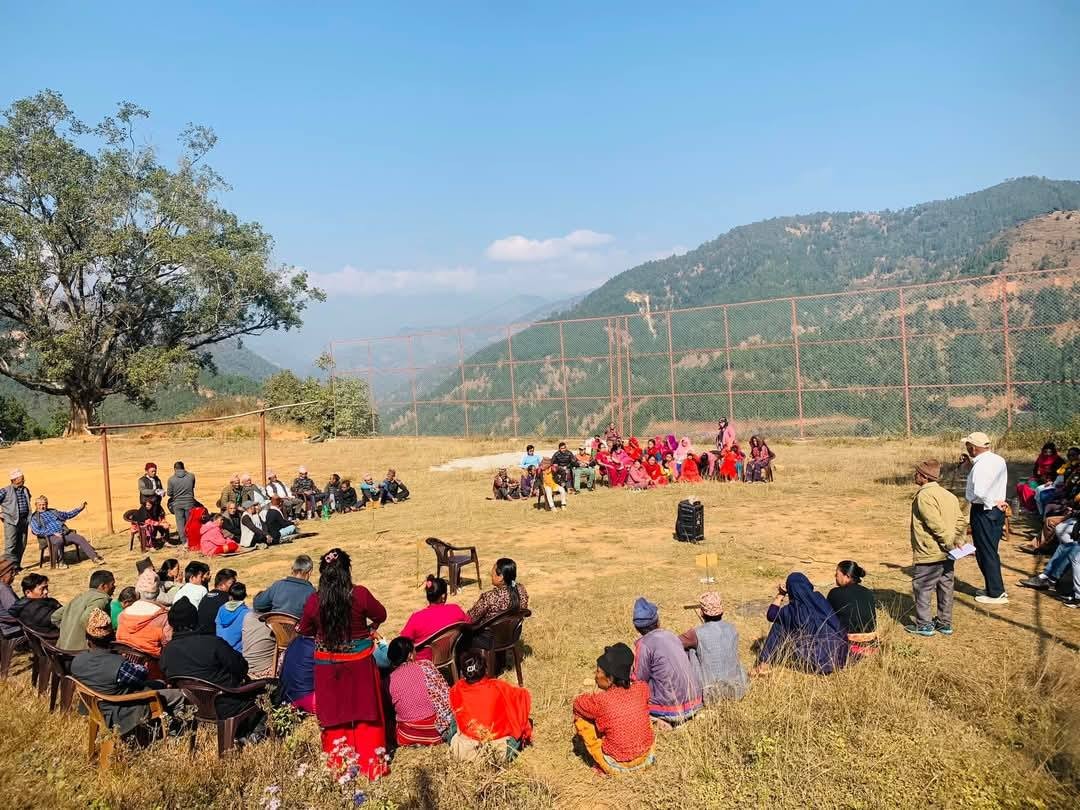
Following the agreement, the General Assembly, which had been stalled for years, was successfully convened with great enthusiasm. In a significant move toward accountability, all income and expenditure records were made public. A new, inclusive, and proactive executive committee was elected, and the forest user group has now modernized its operations by acquiring a Permanent Account Number (PAN) and transitioning to transparent, bank-based financial transactions.
Ward Chairperson Baburam Lama, who had long viewed the local conflict as a "parasitic" obstacle to the community, spoke with pride about the transformation:
“Meetings are now held regularly at the Paleko Rumti. All revenue from forest products is deposited directly into the group’s bank account. The enthusiasm that the consumers had lost has finally returned. This is a remarkable achievement, and the primary credit goes to the Natural Resource Conflict Transformation Center-Nepal and the local Spider Group.”
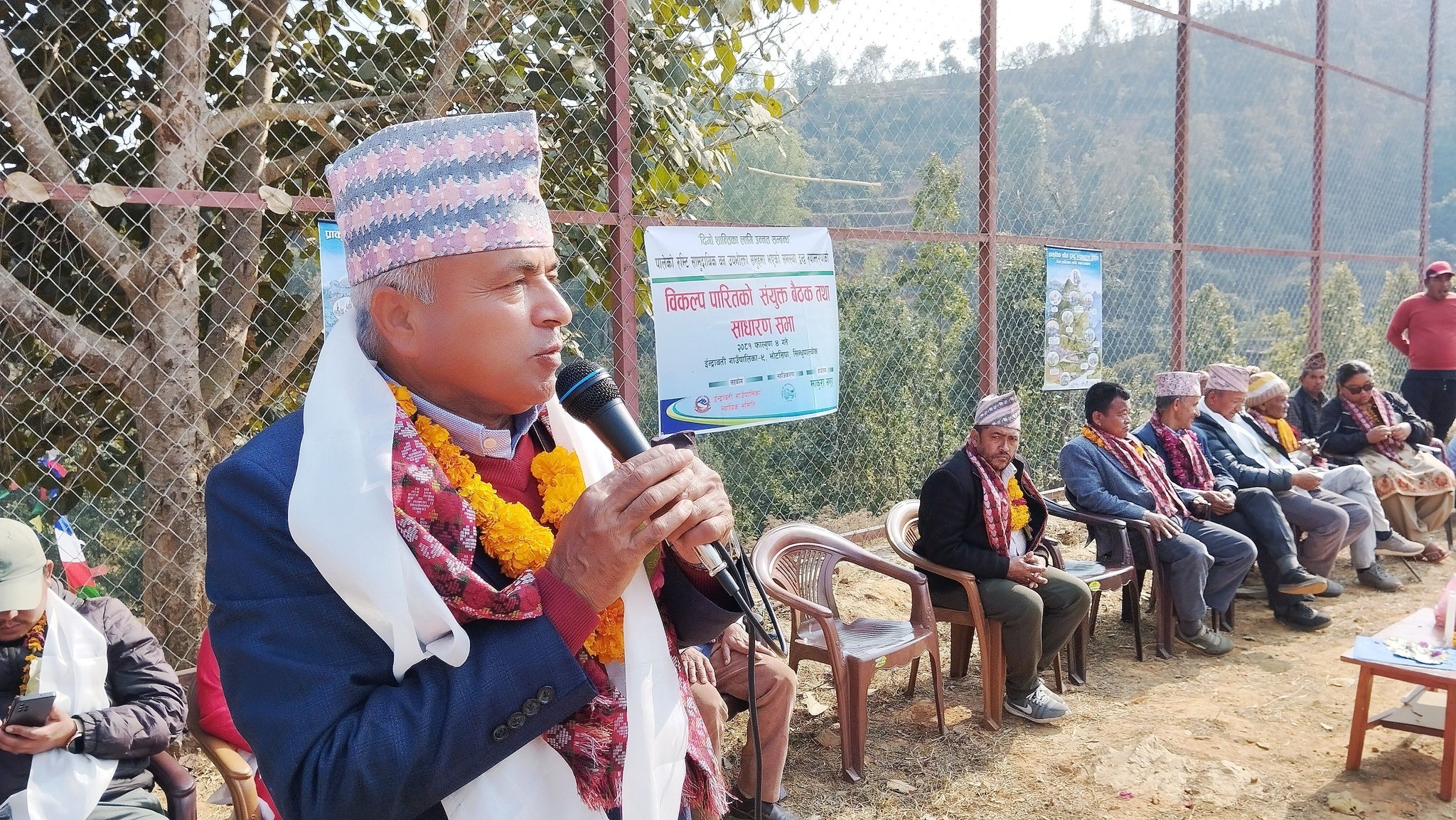
Jhamka Nepal, Chairperson of Indrawati Rural Municipality, views this change as a blueprint for the entire region. He noted that the transformation of this conflict has paved the way for sustainable development.
“The conflict is settled, and we are now moving forward on the path of progress," he stated. "This transformation has taught us a vital lesson: personal growth cannot be achieved by merely criticizing others. This transformation—achieved by respecting everyone’s sentiments, maintaining transparency, and upholding individual dignity without causing grievance—is profoundly impactful. We are committed to applying this methodology to other conflicted areas within the municipality and are prepared to allocate the necessary budget to do so.”
Beyond Timber—A Journey of Transformation
The story of the Paleko Rumti Community Forest is about far more than just timber. It is a journey from disorder, distrust, and fear toward dialogue, consensus, and good governance. It stands as a powerful example that conflict can be transformed, not just ended.
Once a symbol of fear, the forest is now becoming a center of hope and possibility for the community. The conflict transformation in Paleko Rumti Community Forest demonstrates that, with the right process, inclusive dialogue, and shared commitment, any conflict can be converted into a foundation for unity.