'Water' in name, 'Burning' in fate
In the Panchkhapan Municipality of Sankhuwasabha, there is a village called ‘Jaljala.’ Its name suggests an abundance of water; yet, ironically, for generations, the destiny of the people of Jaljala has been defined not by water, but by a burning ache. The burning of thirst. The burning of a life lived in scarcity.
Imagine a guest arrives at your home. You can offer them a fine meal, yet you are forced to frown in hesitation when they ask for a simple glass of water. This was the harsh reality of Jaljala.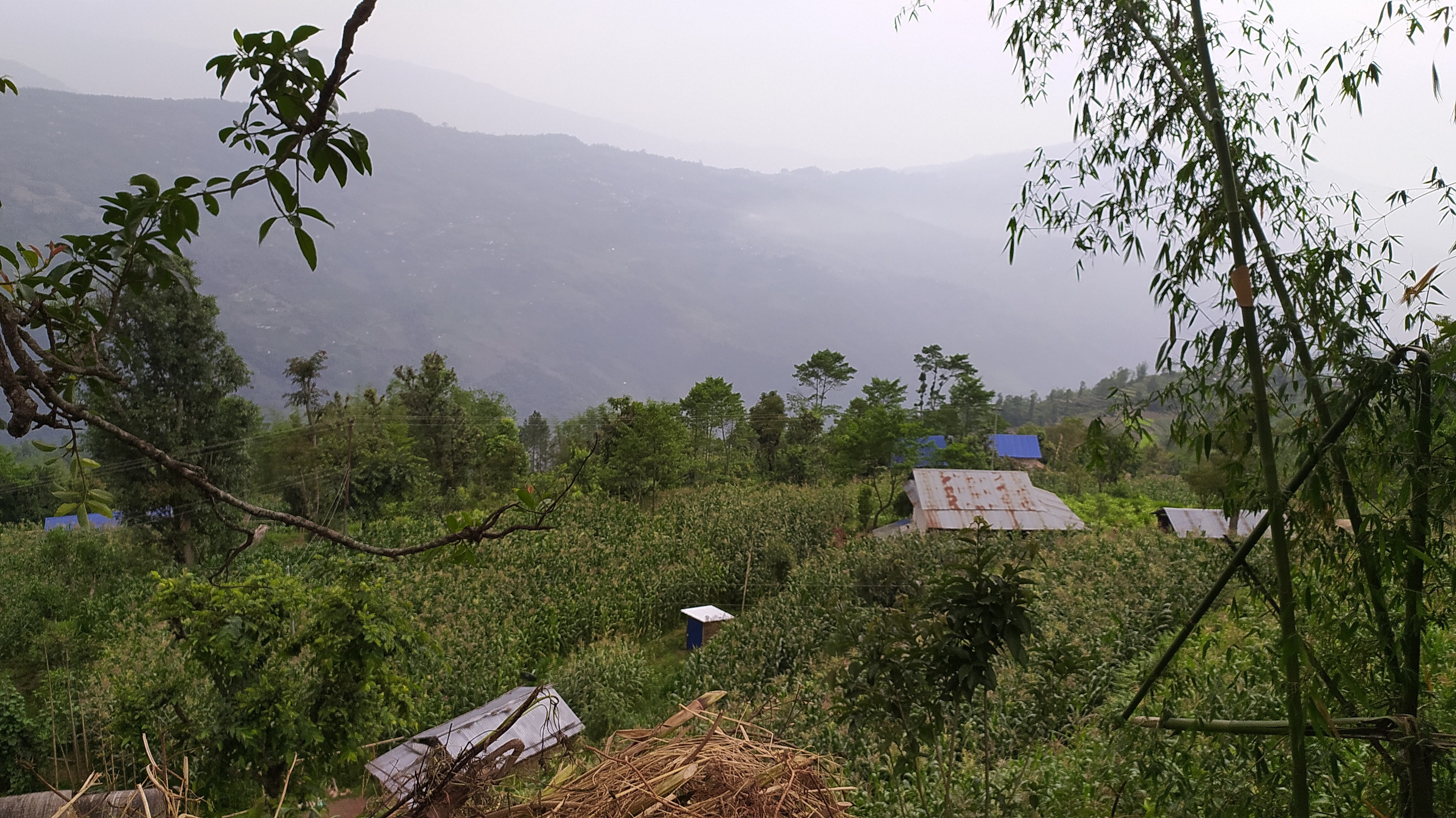
To fetch a single pot of water, residents had to sacrifice their sleep in the middle of the night, navigating dark paths to reach ‘Tirtire Dhara’ an hour away. Even then, there was no certainty of when their turn would come. It would take another half hour just to fill a vessel, drop by painful drop.
The scenes were even more harrowing during weddings and funerals. Whether in times of celebration or mourning, villagers were compelled to make do with the filthy, stagnant water collected near the trickling spring. The struggle to maintain basic hygiene was so great that residents had to trek to the Yakhuwa or Chinkhuwa rivers once a week just to bathe, leaving their lives feeling as parched as the land itself.
In a society where prospective in-laws hesitated to marry off their daughters due to the "water misery," water had evolved beyond a basic necessity—it had become a battle for dignity and social standing.
The Battle for Water and the Edge of the Kukri (Khukuri)
Seven years ago, a vision emerged to end this scarcity: a project to bring water from the 'Nunthale Source' (Kusuwa, Ward No. 1) to Jaljala (Ahale Chungkhurung, Ward No. 8). Heavy 75 mm pipes were laid and a 20,000-liter reservoir tank was constructed. However, the project was marred by a critical oversight—the very people who lived at the water's source in Kusuwa were never informed or consulted.
Feeling that their rights had been usurped, the residents of Kusuwa rose up. Instead of water, it was their outrage that flowed. Under the cover of night, the newly laid pipes were hacked to pieces, and the dream of development was shattered.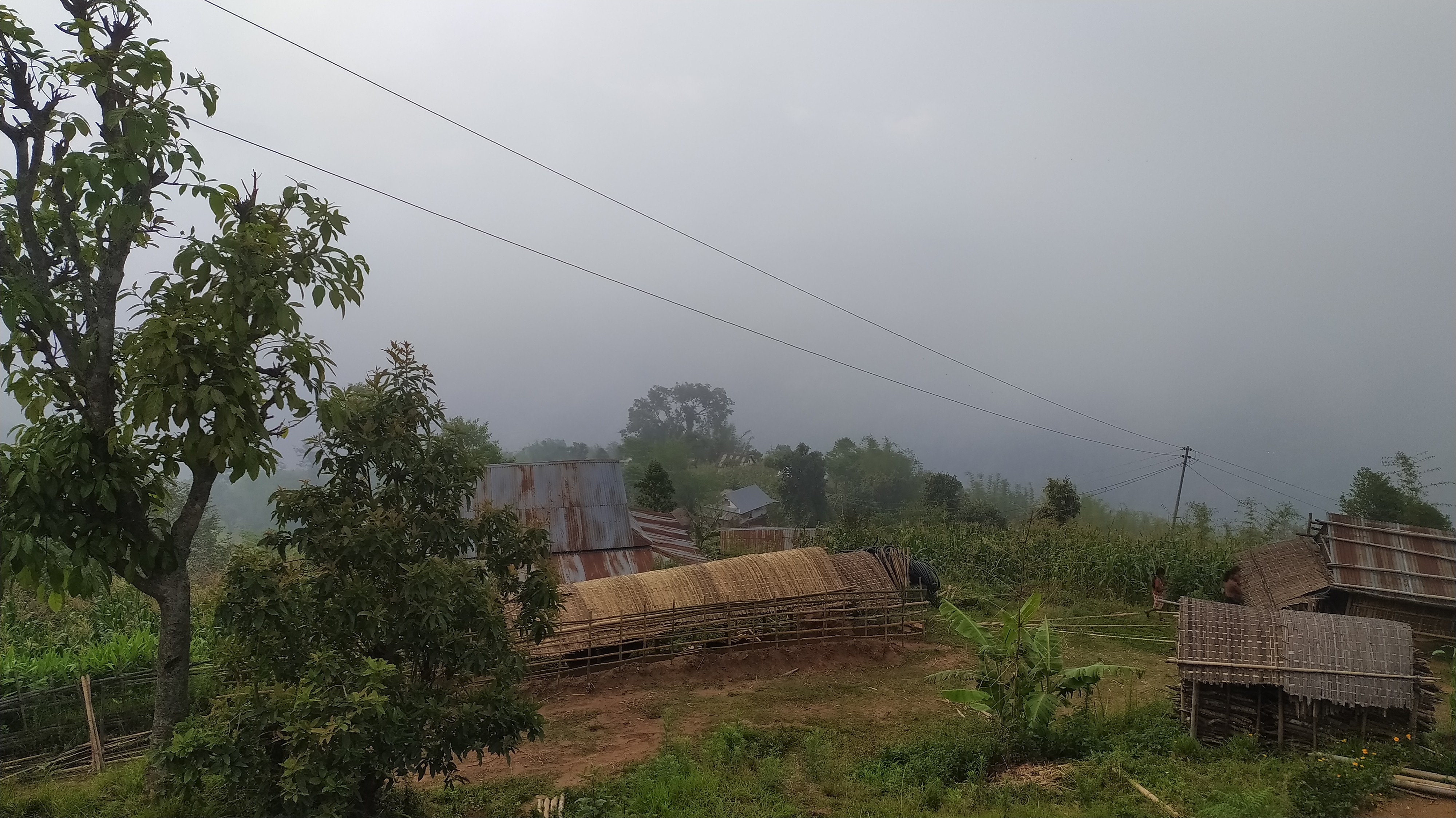
What followed was the beginning of an undeclared war.
Neighbors turned into enemies. The confrontation between those demanding water and those blocking it escalated beyond mere scuffles; Kukri (Khukuri) were drawn. The residents of Jaljala issued an ultimatum: "If you deny us water, we will blockade the road to your village."
The people at the source stood their ground, unyielding. Following the 2017 elections, political interests seeped into the conflict, adding fuel to the fire. Communication between the two villages ground to a halt. The bridges of relationship were broken, and the wellspring of trust ran dry.
The Rise of the ‘Spider Group’ and the Art of ‘Swapping Shoes’
Dozens of attempts by the government and local leaders proved as futile as pouring water onto sand. Even those attempting to mediate were met with threats of retaliation. The situation had reached a point where no one dared to untangle this knot.
It was at this very moment, like a beacon of hope in a dark tunnel, that the Natural Resource Conflict Transformation Center, Nepal (NRCTC-N) stepped in. The date was December 18, 2019 (Poush 2, 2076).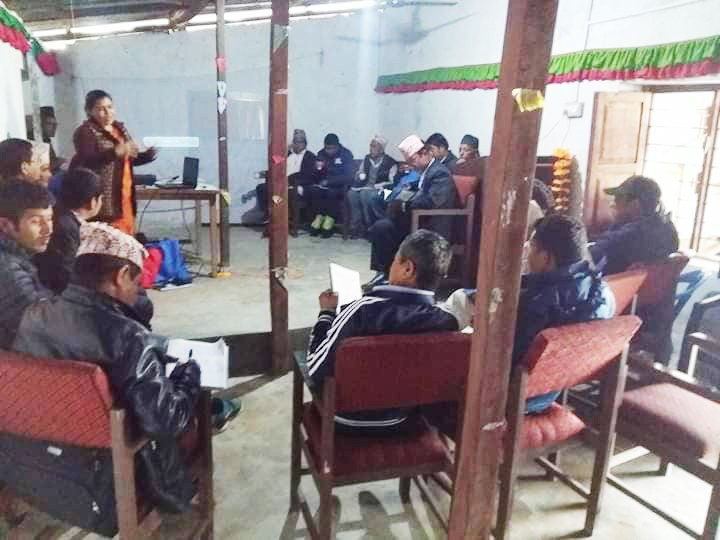
The Center devised an ingenious strategy. They selected three influential figures from each opposing faction and formed a specialized team known as the "Spider Group." Much like a spider weaves broken threads into a resilient web, their mission was to mend the fractured hearts and broken ties of the community.
This group underwent three days of intensive training in conflict transformation, capacity building, and leadership handover. They weren't taught how to sign a formal agreement; instead, they were taught the "art of living." While the training was underway, villagers waited outside in protest, suspicious of what they might be forced to sign.
Home Bahadur Khatri, a member of the spider group, recalls: "We were taught that in a conflict, no one has to lose. There is such a thing as a 'Win-Win' outcome. We learned how to step into someone else’s shoes and see the world through their eyes."
The Spider Group realized that the discussions facilitated by the Natural Resource Conflict Transformation Center were rooted in transparency and collective action. “No one likes to lose, but when the conversation shifts toward a 'Win-Win' outcome, the entire atmosphere changes and moves toward common ground,” says Janak Neupane, another member of the Spider Group. “This has been a profound lesson for us.”
The Spider Group developed a deep conviction that this process could transform the conflict without leaving anyone feeling slighted or unheard. They learned to gauge the intensity of the agitation within the conflicting parties and engage directly with those individuals to unearth the root causes of the problem.
Through this training, they gained a profound life lesson: that one must look beyond self-interest and view the situation from another’s perspective—realizing that it is not just about voicing one's own concerns, but also about the capacity to truly listen to others.
They came to realize that those at the source were not inherently opposed to sharing water; they were simply seeking respect for their dignity and their rights. Conversely, the people of Jaljala had no intention of attacking anyone’s pride—they only wished to end the agony of their water shortage. Instead of focusing on "who was shouting the loudest," the spider group identified the source of the pain, shifting the focus from the outward aggression to the underlying wound.
A Spring of Consensus and Harmony
Finally, on December 12, 2020 (Mangsir 27, 2077), that historic day arrived. Hands that had brandished blades for years were now joined in a respectful Namaste. An 11-point agreement was signed—a document that was far more than a mere piece of paper; it was a roadmap for the shared future of the two villages.
What was the magic formula for the solution?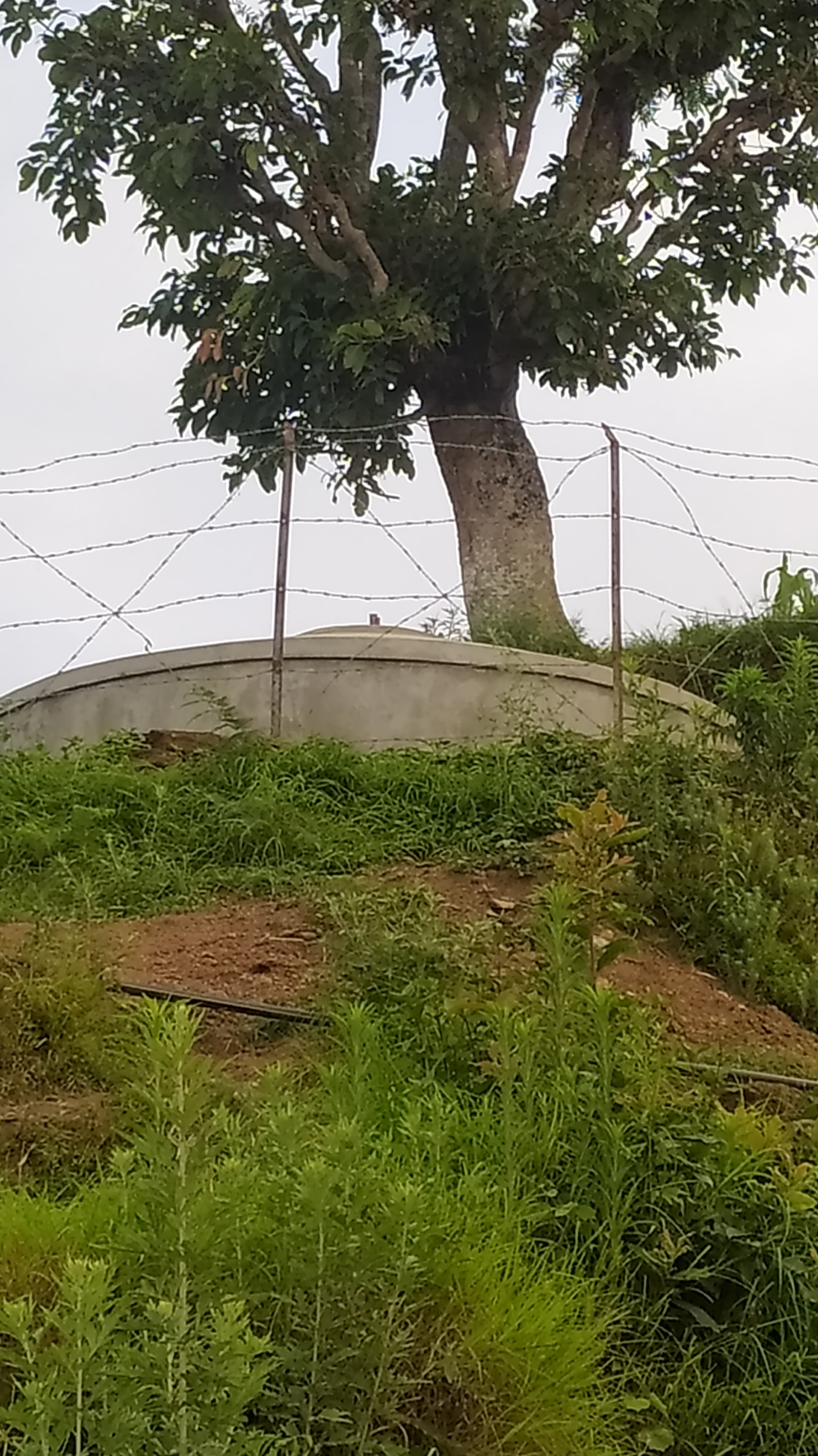
- Moderation: To alleviate the fear that the heavy 75 mm pipe would drain the source dry, it was agreed to use only a 32 mm pipe.
- Equity: A "One House, One Tap" policy and a water metering system were implemented to prevent waste and ensure fair usage.
- Reciprocity: The municipality agreed to allocate an additional 10% budget to the ward providing the water as a gesture of gratitude.
- Tourism: Any surplus water would be diverted to the 'Ghorle Waterfall' to promote eco-tourism in the region.
This agreement proved that natural resources need not be seeds of conflict; instead, they can serve as the very foundation of prosperity.
Epilogue: Water in the Courtyard, Joy in the Heart
Today, the village of Jaljala has been transformed. Housewives like Manju Neupane, who once had to wake up in the dead of night just to find water, now carry smiles on their faces. Ninety taps have been installed across the village courtyards. The sound of water flowing 24/7 is a melody no less sweet than the finest music.
"In the past, we shed many tears over the misery of water," says Manju. "Today, it isn't just water flowing from the taps—it is our happiness that has returned."
The most significate achievement, however, is the restoration of relationships. The very paths that were once blockaded are now used freely for wedding processions and funeral rites.
Development budgets are no longer drained by conflict transformation; instead, they are invested in protecting the water sources. While a few clouds of suspicion may still linger here and there, the "Spider Group’s" web stands as a vigilant guardian, ready to mend any tear in the social fabric.
This is not merely the story of Jaljala in Sankhuwasabha; it is a story of transformation. It teaches us that when we rise above the "I" and learn to say "We," even the sharpness of a kukri (Khukuri) blade can be transformed into the cool, soothing flow of water.
The spider group did more than just connect pipes; they stitched together hearts that had been torn apart for years. Truly, this is a story of water that mends the soul.